JUST A LITTLE CAVALIER
  • THE CAVALIER
  • FAQ'S
  • ABOUT US
  • OUR PARENTS
    • PAST PARENTS
  • OUR SERVICES
  • OUR PUPPIES
  • OUR BLOG
  • CONTACT US

A HANDY GUIDE TO TAKING CARE OF A DOG IN HEAT (AKA PUPPIES IN PANTIES)

8/3/2020

0 Comments

 
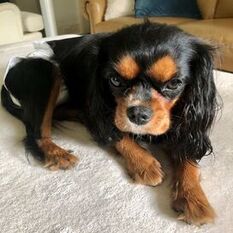
PictureKoKo the Cavalier - not happy being photographed in her diaper!
In the past, almost all dogs that weren't going to be bred were neutered or spayed at a young age. Because of this trend, only breeders had to deal with the issues of heat cycles. That has changed recently, though, as numerous studies have demonstrated that waiting until your dog is fully sexually mature before having her spayed or him neutered may be preferable. As a result, we get lots of questions about how to manage a dog's first heat. Here are some ideas and items to help you make it through your girl's first heat.

  1. TIMING- Store up supplies NOW. Before the age of nine months and as early as five months, Cavalier females will experience their first heat. Six months is average. Even though the initial heat cycle can last for several weeks, the bleeding typically lasts only 9 to 12 days. Bear in mind that every dog is unique, just like every person. Unless the bleeding seems incredibly heavy or lasts longer than a month, you do not need to be alarmed.
  2. PLANNING AHEAD-Consider whether your dog will only experience one heat cycle before being spayed, or whether you plan to breed your dog and will have to deal with ongoing heat cycles for several years when choosing the products to keep on hand. What you buy should be determined by this choice. Disposable diapers (link below) make the most sense for those only enduring one heat cycle. 
  3. CHANGES-Our pups may go through any of the following physical and behavioral changes brought on by hormonal changes, just like women do:
  • Bleeding - The level of bleeding can differ significantly. Also, some females keep themselves exceptionally clean, others don't. Either is acceptable or "normal."
  • Personality Changes - Some females might exhibit increased affection or clinginess. Others might come off as a little irritable or even anxious. Again, behavior changes are also "normal." 
  • Tail Tucking - Tail tucking is frequently associated with a canine that is stressed or depressed. Don't make those presumptions about a female with a tucked tail,  females frequently do this to protect their swollen vulva.
  • Appetite Variations - Another big variance here. Avoid changing your dog's diet at this time or developing a bad habit that you'll later suffer for (i.e. hand feeding a picky eater). Many owners will note "picky eating" in their dogs around the 7-8 month mark. In nine out of ten cases, the owner begins hand-feeding the animal table scraps during her first heat because they were concerned when she wasn't eating. Don't fall for this trap; we have never seen a puppy starve. Hormonally induced appetite changes are not a cause for concern; however, if your dog has been refusing food and water for more than 24 hours, you should contact your veterinarian.
  • Potty Habits - Marking is commonly linked with intact male dogs; however, female dogs frequently urinate more frequently while in heat and often like to spread their scent in multiple locations so that make dogs can locate her. This is an innate instinct  and it will disappear once her cycle is finished. Try to be understanding if mishaps happen during this time, but encourage more outdoor activities to stop issues before they start.
 
IDENTIFY THE STAGES- Males may be more drawn to females when they are in heat, but females only want to mate for a brief period. Keep your female isolated from any intact males during her entire cycle. About nine days after she starts bleeding, your dog usually becomes fertile (but again, this varies). She is still fertile for a few days, even after the bleeding has ended. Before thinking the situation is safe, wait until her vulva shrinks to its pre-heat size.
 
SHOP FOR YOUR SUPPLIES - Not all of these items are necessary. When making purchases, consider how many heat cycles your female will experience.
  • DISPOSABLE DIAPERS (32 Count)-Depending on their waist size, Cavaliers will need either the x-small or small. On their first and second heats, our dogs are usually an x-small. If ordering at six months, check the sizing chart and purchase one size larger so they will fit later.
  • ROCCO and ROXIE STAIN REMOVER- Highly rated and effective. This is the best pet stain remover available, and it cleans your house of blood stains and hormone odors (you may not notice them, but your neighbor's dog does).
  • WASHABLE DOG DIAPERS - We frequently use washable dog diapers because we have several dogs. We discovered this set on Amazon for a fair price, and small suits our Cavaliers. It also holds up well in the washer. And we adore the colors. You might want to size up to a medium if your female is older or larger than average. Consult the chart and be aware that the Velcro permits considerable sizing variation.
  • PANTY LINERS - For $5, you can buy more washable dog diapers and reduce the amount of washing you do. Simply put an unscented panty cover in the washable potty and swap it out when it's time to use the restroom. This washable/disposable combination is what we've discovered to work best!
  • UNSCENTED WIPES - Wipes with scents or cleaning agents may upset your CKCS as they are cleaning more frequently. These all-natural (saline) wipes are also excellent for keeping your Cavalier's eyes clean between heat cycles.
  • CALMING AID - We believes having calming chews on board is always a good idea in case storms, fireworks, or travel cause your canine to become anxious. This product uses organic ingredients and can also work to settle a nervous girl during periods.
  • NUTRITIONAL GEL - Have some nutritional gel on board if you're one of those worried parents whose girl won't eat. We've found it helpful for our finicky females, weaning puppies, or dogs adapting to new circumstances that may need nutritional support, even though it's really for puppies.
  • A note on scents - Avoid scented options when making product selections. Dogs have incredibly keen senses of scent. Some people advise using scented wipes, panty liners, or applying menthol to a dog's tail to deter other dogs without considering how these overpowering odors affect their own dog. Keep her clean and avoid using fragrance-heavy items on her. Avoid adding unneeded smells to the situation!
 
PERSONAL TIPS - Final thoughts on your dog's first heat that we would like to share with our Guardian Homes and Owners are as follows:
  • Don't freak out. If you are anxious, she is anxious. It's completely normal.
  • Continue to give her a lot of movement. It's a myth that she can't go for walks while in heat, but you should never let a dog off the leash because they might run off searching for a mate. You should also avoid dog parks and other places where you might unintentionally run into an intact male.
  • Make her wear a diaper several times before the onset of her menstruation. If she has worn one before, it will be less problematic for you, and you will know if you have the sizing right.
  • Consult your vet if a cycle is skipped, which might indicate illness.

We hope you make it through her first heat cycle with ease. We assure you that there is nothing to worry about if you are prepared. Please comment if you have any extra ideas or products you'd like to see in this post. Also, don't forget to follow us on Facebook for additional helpful advice on Cavaliers, 


0 Comments

LET US BE YOUR BREEDING MENTOR!

8/1/2020

0 Comments

 
Picture

Looking for a breeder to assist you with the certifications, testing, natural mating, whelping process, and finding good homes for the puppies. We would love to help. And before posting on FB or other social media platforms, please read below as to what you might get instead:

About once per week, a kind-hearted dog lover will upload a photo of their adorable and cherished pet to an online community and declare their intention to breed the animal, but confess they lack the knowledge regarding how to do so. They receive criticism from other breeders or "adopt, don't shop" proponents within minutes, telling them to give up on their goal of breeding their canine and using abbreviations like DNA, OFA, and AI without providing any context. These comments are well-intentioned - the majority of reputable breeders and animal advocates detest nothing more than reading posts on social media about sick dogs sold by bad breeding practices and so-called "backyard breeders." They want people to know that  breeding is much more complicated and costly than most people think.

Nevertheless, every breeder started somewhere, and as a member of the SPCA Board and a supporter of the organization, I've come to understand that if breeders stigmatize or discourage anyone else who has an interest in breeding, we are essentially ensuring that the very thing we are trying to stop will occur—namely, that individuals will proceed without the knowledge and tools they require. Because of this, I advise anyone thinking about breeding their canine to find a knowledgeable breeding mentor.

I'm delighted to spend my time and efforts helping those interested in breeding or attempting to launch a program involving Cavaliers. Others interested in learning more about these breeds are not my rivals; I view them as allies in the mission to advance these breeds and ensure healthy bloodlines. When I first began breeding, I had two mentors, and I feel I have to return their kindness by being helpful to others.

If you want to breed your dog, kindly consider hiring a breeding mentor to guide you. Before contacting a prospective mentor, be ready to respond to the following inquiries:
  • Are you legally permitted to breed this animal? Please confirm that you own a "fully registered" female or male. No respectable breeder will help you break the terms of another breeder's contract.
  • Is your canine registered with the AKC? Please be aware that most breeders will only work with registered animals. If you are interested in hybrid breeding, please refer to a related blog on LierChonPoo.com. 
  • Has your canine gone through a minimum of two heat cycles? Reputable breeders won't help you breed an immature dog that can't yet pass the necessary health tests.
  • Are your veterinary documents up to date? Has your dog's doctor judged him or her healthy enough and a good candidate for breeding?
  • Does your canine meet breed requirements? You can discover breed standards on the AKC website if you're unsure. Breed standards differ greatly from "show quality"; many respectable breeders prefer to breed for health and temperament rather than perfect coloring. 

Before attempting to breed your dog, you should try to correct any issues that the answers to any of these queries indicate. It's time to look for a mentor if you can say "yes" to each of these queries. Look for these things when choosing a mentor:
  • A reputable breeder who complies with all the requirements for responsible breeding.
  • A  breeder who specializes in the breed you love (or a closely similar breed).
  • A breeder who has a dog you'd be interested in using, either male or female. Breeders are giving you their time, so you should consider using their stud or offering your dog as a stud in return.
  • The internet, flight nannies, and artificial insemination have made easier finding a mentor who lives far away simpler than ever. Often, breeders are more eager to guide those who won't be selling puppies in their area.

Invest some time in the following (if your dog is too immature) to learn more about breeding:
  • After your canine reaches one year old, learn more about the Orthopedic Foundation for Animals and begin your testing.
  • Track the heat cycles of your female canine.
  • Once your male canine has reached the age of one year, have the semen tested for breeding soundness.
  • Read articles about breed-specific testing on this and other websites.
  • Get your dog's Genetics tested. We advise using Embark for complete DNA samples.
​
Breeding your dog can be an exciting and enjoyable adventure, but it is also a significant duty and should only be undertaken after careful consideration and advice. On these pages, you can find out more about breeding:

AKC Breeding Mentor Article
How to Choose a Mentor

Please contact us at [email protected] if we can assist you in your breeding goals.

0 Comments

    FTC DISCLOSURE

    This blog contains affiliate links. I may earn commissions from qualifying purchases made from links on this blog. We do not recommend any products that we do not purchase and use for our dogs. ​

    Categories

    All
    AMAZON PRODUCTS
    AVAILABLE PUPPIES
    BREEDING YOUR DOG
    CAVALIER GIFTS
    DENTAL HYGIENE
    DNA TESTING
    FINDING A BREEDER
    GROOMING
    GUARDIAN HOMES
    HEALTH TOPICS
    HEAT CYCLES
    INTEREST LIST
    NUTRITION
    PAW TREE
    PICKY EATING
    PUPPIES 101
    PUPPY SCAMS
    RAW FEEDING
    TRAINING
    TREATS

    Archives

    August 2025
    June 2024
    April 2024
    March 2024
    January 2024
    June 2023
    May 2023
    April 2023
    March 2023
    February 2023
    January 2023
    December 2022
    November 2022
    October 2022
    June 2022
    May 2022
    January 2022
    August 2021
    May 2021
    January 2021
    December 2020
    October 2020
    August 2020
    June 2020
    May 2020
    April 2020

    RSS Feed

LOCATED NEAR CHARLESTON, SOUTH CAROLINA


​ JOIN US ONLINE!

COPYRIGHT 2026. PROPERTY OF TIED LLC

  • THE CAVALIER
  • FAQ'S
  • ABOUT US
  • OUR PARENTS
    • PAST PARENTS
  • OUR SERVICES
  • OUR PUPPIES
  • OUR BLOG
  • CONTACT US